We build what you actually need — and we build it to last.

We take on the work that needs a builder in the room: platforms, teams, and the technology decisions behind both.

Mikan, the Monster Orange mascot

Services

Four ways in. Each one is the same bet: put someone in the room who has built the thing before, and the decisions get cheaper.

Fractional CTO

Technology leadership on the clock you need it — architecture, hiring, roadmap, and the hard calls. The same role Ward has held for StrategyPlus and Allakando.

0-to-1 Product Build

From a whiteboard to a production platform serving real customers. Rails, Postgres, Hotwire, and a test suite you can actually trust.

Applied AI

Pragmatic AI in production systems: content generation, data extraction, and assistant integrations that hold up under real traffic.

Team & Culture

Rebuilding teams from the ground up by cultivating psychological safety, so failures become learning and outcomes compound.

What we're building

Five projects, one thesis: AI earns its place when it makes an ordinary decision better and you can still check the work. One is in the market and two are in beta. The other two are what let a small team ship all of them to the same standard, and one of those is open source.

Narai

習い — learning by practice

A tutor for every learner.

An adaptive learning platform where a subject is a graph, not a playlist.

  1. Running in the cloud now. The level test, lessons with the tutor and the progress pages all work today.
  2. Japanese is the first subject — one path from a learner's first kana to N1, opened a course at a time. Japanese first, not Japanese only.
  3. Three agents with distinct jobs: one teaches, one works out where the learner actually is, one proves mastery before it lets them move on.
  4. A course declares what it is optimising for, and the agents improve against that objective instead of a fixed script.
  5. Human experts are brought in by policy, at the points where a person is worth more than a model.
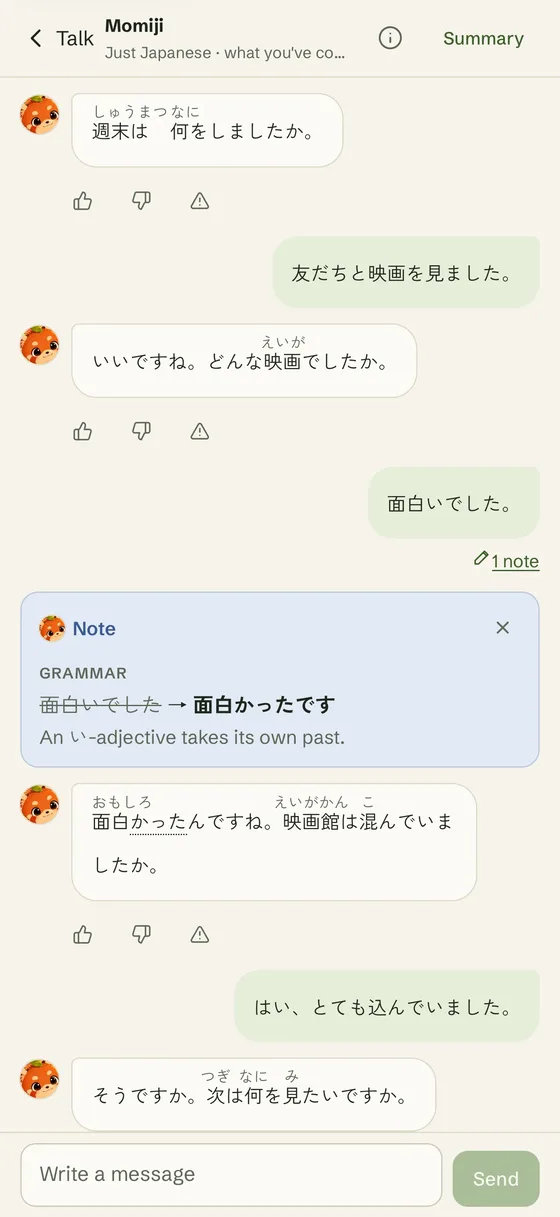
Mikan and friends buying a ticket at a country station: art from Narai's courses.
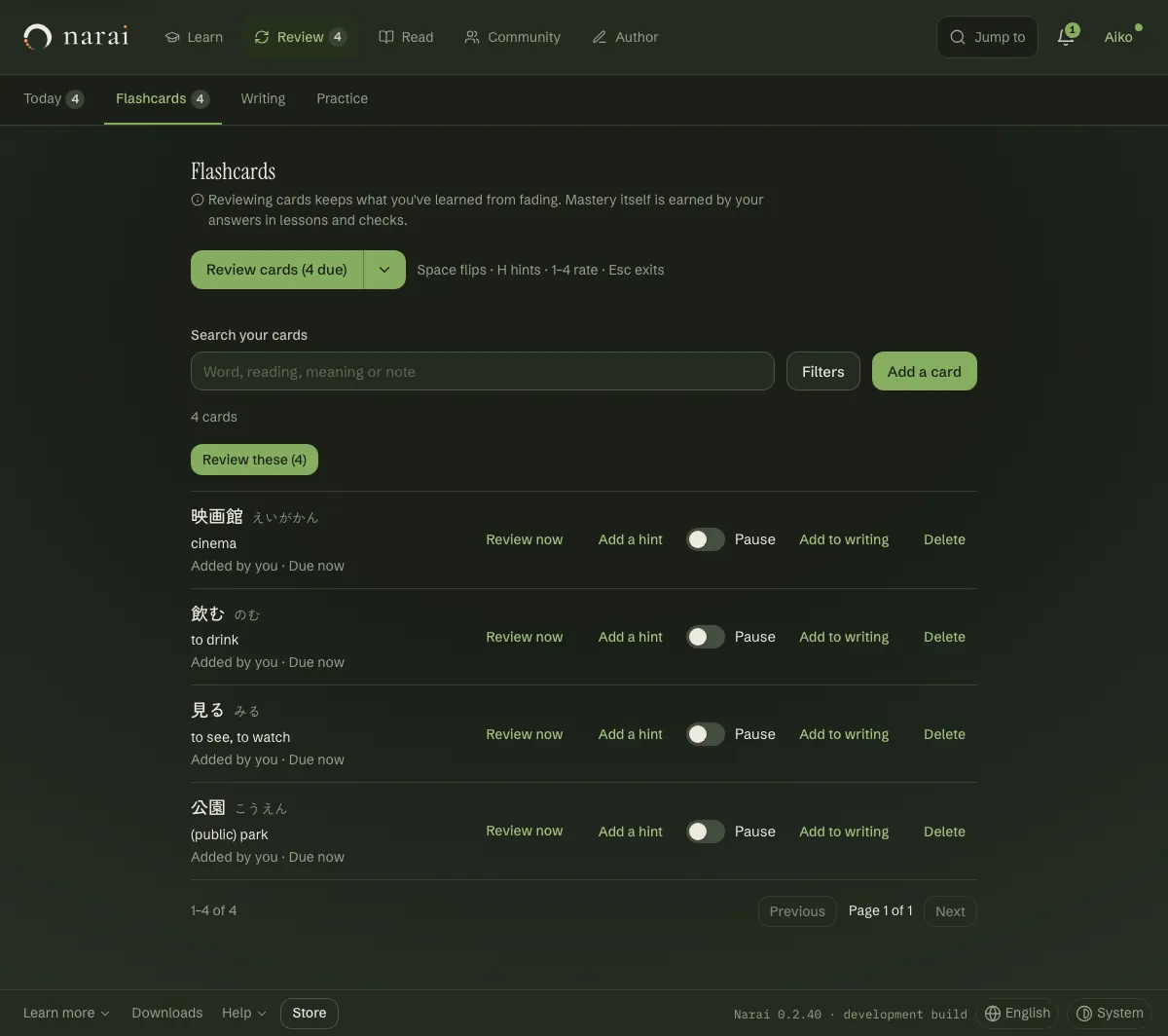
Narai's flashcards page, in the dark theme.

Wayfinder

Your financial future, modeled — not guessed.
In the market

wayfinderfi.com

A retirement and life-scenario planner for a one- or two-person household.

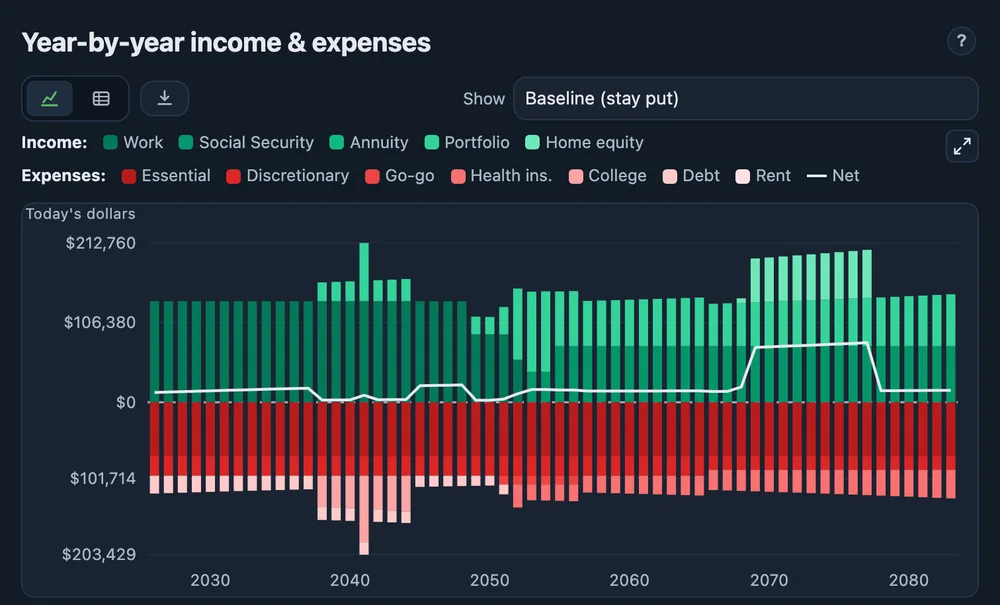
  1. Answers the question people actually have — when can I stop working — with a year-by-year ledger you can interrogate, not a six-question quiz.
  2. Compares the real choices: downsize, relocate, go nomad, each measured against staying put.
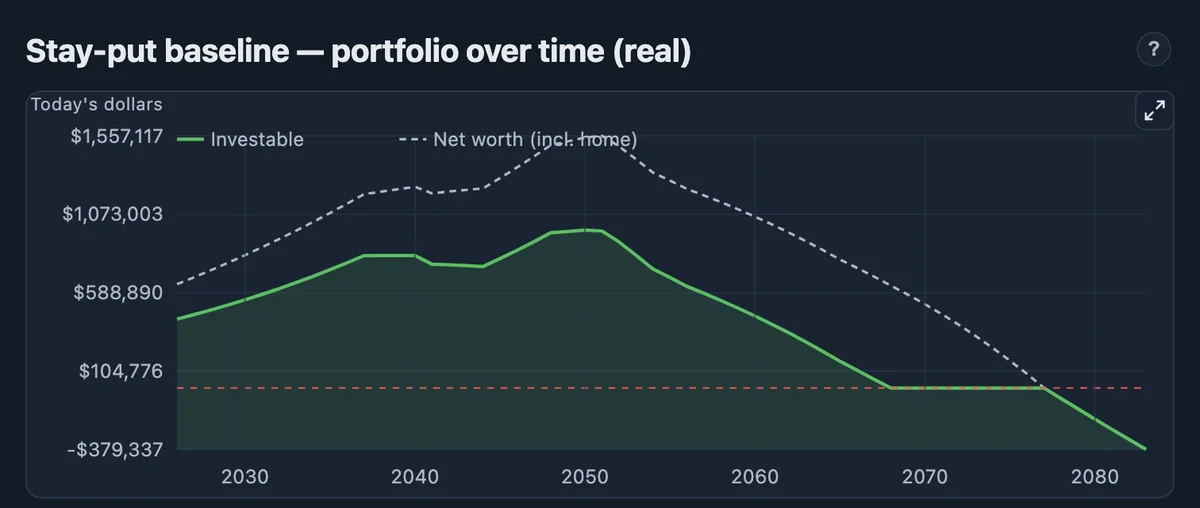
  3. Runs thousands of market sequences, so a plan is judged on the bad decades as well as the good ones.
  4. An AI agent can drive the whole model, but it never invents a number. The engine is deterministic: the same inputs always produce the same answer, and every figure traces back to an input.
Wayfinder's sample plan: the stay-put portfolio over time.
Wayfinder's sample plan: income and expenses, year by year.

Arbor

Start with your world and see what stories grow from it.

In beta

beta.arbor.page

An AI writing assistant that keeps your work on your machine.

  1. Now in beta in the cloud: sign in with a passkey, an email code, GitHub or Google.
  2. Writing organised as a tree of ideas rather than a pile of documents, so long work stays navigable as it grows.
  3. Local-first by default: run it yourself and the database and the file store stay on your own computer, and it opens with no sign-in at all.
  4. Two ways to run it — hosted by us, or entirely by you.
  1. 1 · WorldPlant the worldCharacters, locations, events: one hierarchy you can walk, search and version.
  2. 2 · ManuscriptGrow the storyChapters reference the world directly. Rename a character once; every draft follows.
  3. 3 · ExportHarvestEditorial formats, validated.

exports manuscript · epub · docx · pdf

Den

Your whole stack, on your machine, checked end to end.
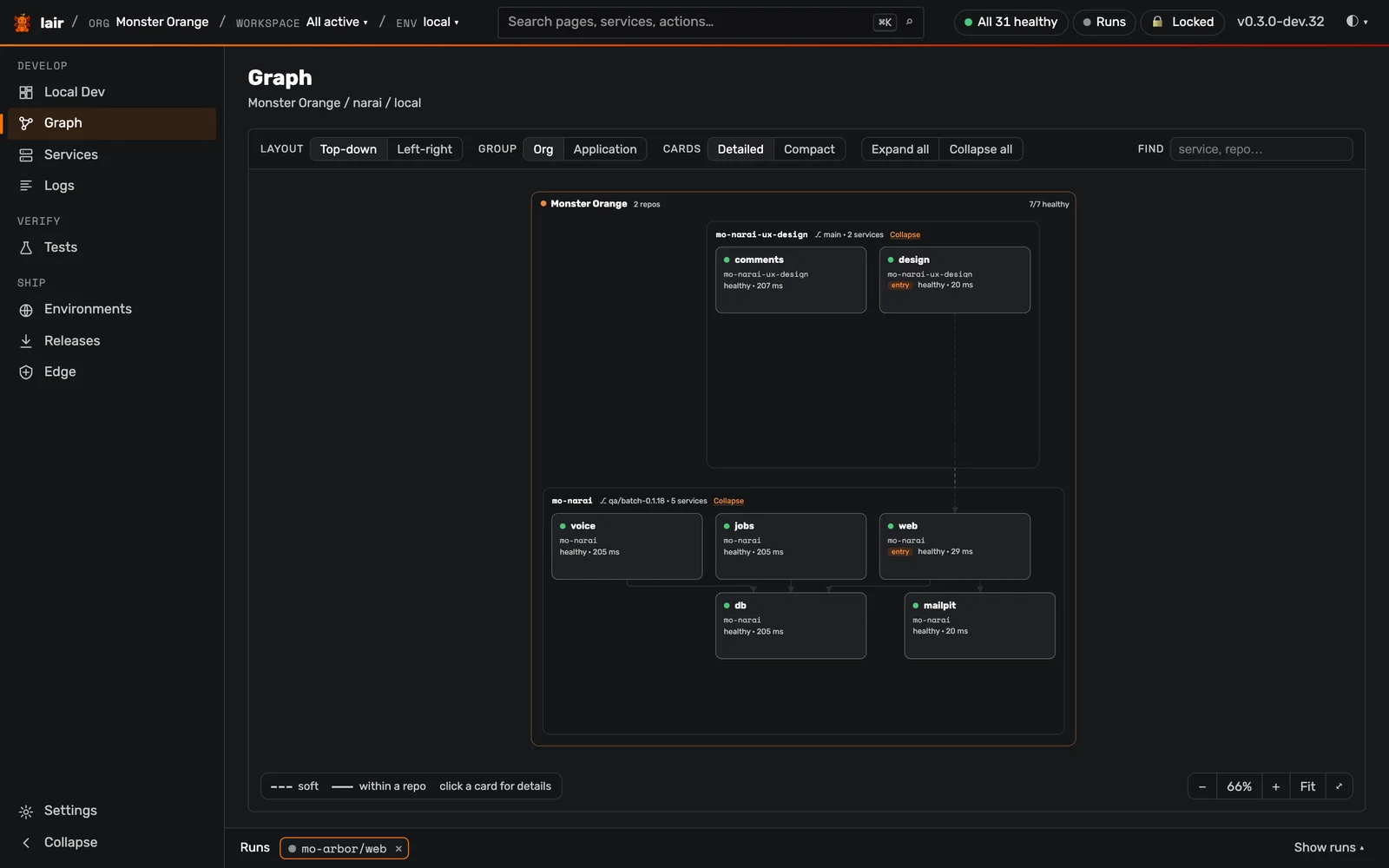
A local development appliance: the whole stack you work on, running on your own machine and checked end to end.

  1. Starts every repo you work on in dependency order, puts them behind one local HTTPS edge, and gives you a web UI and a CLI over all of it.
  2. Runs smoke, browser, API, journey, security and performance suites against the environments you declare.
  3. Knows nothing about any one organisation. Your product name, repos, hosts and secrets live in your own distribution, and its look comes from installable themes.
  4. MIT-licensed on npm, and Monster Orange builds its own products on it every day.
  5. Next: Den Hub, a premium version for teams. It's coming, and the Den page has the waitlist.
Den's web UI: the service graph for one workspace, every service healthy.

MO Platform

In use

The standard our own products are built to — and the road a vibe-coded idea takes to become a system you can run.

  1. One set of standards, a suite that proves an app actually meets them, and templates that start it off already meeting them.
  2. A prototype someone vibe-coded in a weekend gets the same treatment our own products do: agents do the building, the conformance suite decides when it is finished.
  3. Two languages and three separate codebases deploy the same shape, so what we learn fixing one product is a fix for all of them.
  4. Already licensed to a team outside Monster Orange.

Start with the part that is stuck.

Technology leadership, a build from zero, or AI that has to survive real traffic. The first step is the same for all three — a conversation about what you are actually trying to ship.